
Eye health
How Often Should You Get an Eye Exam? A Guide for Adults in Doral
By Dr. Belkis Perez, OD · Published
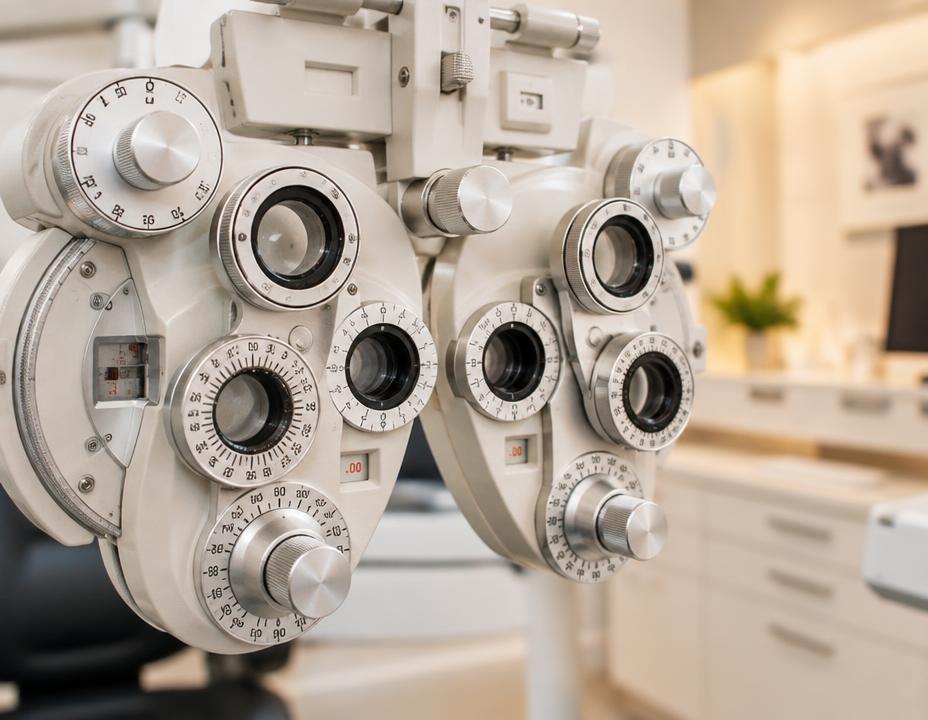
Most adults with no symptoms or risk factors should have a comprehensive eye exam at least every one to two years, and every year from age 65. If you have diabetes, high blood pressure, a family history of glaucoma, or wear contact lenses, your optometrist may recommend more frequent visits.
Recommended frequency by age
The American Optometric Association (AOA) recommends that adults aged 18 to 64 have a comprehensive exam at least every two years, and that adults 65 and older have one every year. These are general guidelines; your optometrist adjusts the interval based on your history and exam findings.
When you may need exams more often
Some conditions raise the risk of eye problems that cause no symptoms at first. These include diabetes, high blood pressure, a family history of glaucoma or retinal disease, certain medications, high myopia, and contact lens wear. In these cases, regular checkups help catch changes early.
Comprehensive exam vs. vision screening
A quick vision screening (for example, at work or when renewing a license) only checks how well you see at a distance. A comprehensive exam evaluates your prescription, eye coordination, eye pressure, and the health of the structures inside the eye. That is why a screening does not replace a professional exam.
Signs you shouldn't wait for your next visit
Ask for an evaluation soon if you notice blurry vision that doesn't improve, frequent headaches when reading, double vision, or trouble seeing at night. For sudden vision loss, flashes of light, a curtain over your vision, severe eye pain, or an eye injury, seek emergency care right away.
Frequently asked questions
Sources
This article is general information and does not replace a professional eye exam or diagnosis.